
Construction Helper Jobs in Canada: Canada’s construction industry is booming. From the high-rise condos of Toronto and Vancouver to sprawling infrastructure projects in Alberta and Québec, the demand for skilled labor has never been higher. At the entry level of this dynamic sector sits one of the most vital roles: the Construction Helper.
Often seen as a stepping stone, a construction helper job is far more than just “lifting and carrying.” It is the backbone of any productive job site. For newcomers, students, or those changing careers, this role offers a direct pathway to stable employment and long-term growth.
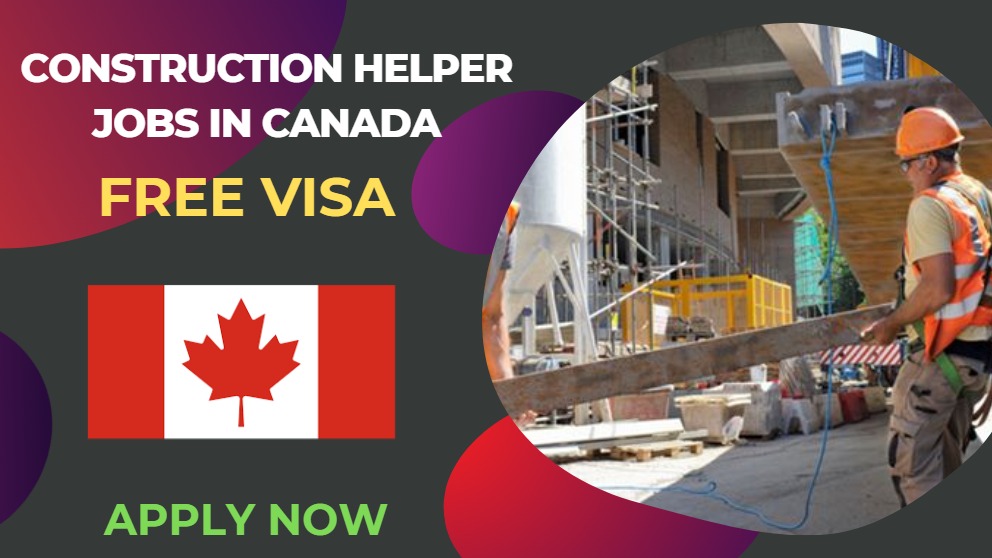
Table of Contents
What Does a Construction Helper Actually Do?
A construction helper is the right hand of tradespeople such as carpenters, bricklayers, welders, and heavy equipment operators. While daily tasks vary by site, the core responsibilities generally include:
Site Preparation & Cleanup: Loading and unloading materials, removing debris, setting up scaffolding, and ensuring the site meets safety standards.
Material Handling: Transporting lumber, steel, concrete blocks, and tools across the job site.
Assisting Tradespeople: Holding materials during installation, mixing concrete, operating basic power tools (under supervision), and helping with measurements.
Operating Equipment (limited): Driving forklifts or using lifts (requires certification).
Traffic & Pedestrian Control: On road projects, helpers manage signs and barriers to protect the public.
Note: These jobs are physical. You should be comfortable standing, kneeling, lifting (up to 50 lbs frequently), and working in all weather conditions.
Why Are Construction Helpers in High Demand?
Canada is facing a dual crisis: a housing shortage and an aging workforce. According to BuildForce Canada, the industry needs to recruit over 300,000 new workers by 2033.
Construction helpers are the immediate solution. Employers are desperate for reliable bodies who show up on time, follow instructions, and are eager to learn. Because the barrier to entry is low, companies are willing to train candidates who have the right attitude.
Salary Expectations (2024-2025 Update)
Wages for construction helpers vary significantly by province and experience level. Unlike many entry-level jobs, helpers often earn overtime pay (1.5x or 2x hourly rate) after 40 hours or 8 hours per day.
| Province | Average Hourly Wage (CAD) | Annual Range (Full-time) |
|---|---|---|
| Alberta | $22 – $28 | $45,000 – $65,000+ |
| British Columbia | $20 – $26 | $42,000 – $58,000 |
| Ontario | $19 – $25 | $40,000 – $55,000 |
| Québec | $18 – $23 | $37,000 – $50,000 |
| Atlantic Canada | $17 – $21 | $35,000 – $48,000 |
*Note: Remote or fly-in/fly-out (FIFO) jobs in Northern Canada can pay $30+/hour plus living allowances.*
Requirements: Do You Need Experience?
The short answer is no. Most employers do not require previous construction experience. However, you do need:
Legal right to work in Canada (Citizen, PR, or valid work permit).
Physical fitness and ability to pass a basic fitness test.
Steel-toed boots (CSA approved) – most other PPE (hard hat, vest, gloves, glasses) is provided.
Reliable transportation (job sites are often outside city transit routes).
English or French proficiency (basic level for safety instructions).
Assets that get you hired faster:
WHMIS (Workplace Hazardous Materials) Certificate (free online).
First Aid/CPR Certification.
Forklift or Aerial Lift (Zoom Boom) ticket.
How to Find Construction Helper Jobs in Canada
Don’t rely solely on LinkedIn. Construction hiring is often fast and informal. Use these channels:
Job Banks: Government of Canada Job Bank (jobbank.gc.ca), Indeed, and Workopolis.
Union Halls: In large cities, unions like LiUNA (Laborers’ International Union of North America) hire helpers directly. Union jobs offer higher pay, benefits, and a pension.
Temp Agencies: Agencies like Aerotek, Randstad, Express Employment specialize in placing construction helpers. This is a great way to get experience quickly.
Walk-Ons: In many provinces (especially Alberta and BC), you can still drive to a large construction site, find the site trailer, and ask for the foreman. Bring your resume and boots.
Immigrant Services: Non-profits like ISSofBC, COSTI Immigrant Services (Ontario), or Immigrant Services Calgary have bridging programs that connect newcomers to construction employers.
The Career Path: Where Can You Go?
The real value of being a helper is the apprenticeship pathway. After 6–12 months as a helper, you can ask an employer to sponsor you as an apprentice in a skilled trade.
Typical progression:
Year 0-1: Construction Helper ($40k–$55k)
Year 2-3: Apprentice Carpenter/Electrician/Plumber ($55k–$70k + school)
Year 4-5: Journeyperson ($80k–$120k)
Year 6+: Foreperson, Safety Officer, or Business Owner ($100k–$150k+)
Canada’s Red Seal program means your certification is recognized across all provinces.
Challenges to Consider
Seasonal Layoffs: In most provinces (except BC and urban Ontario), outdoor work slows in winter. Save for “mud season” (March/April).
Safety Risks: Construction has higher injury rates. Always wear PPE and never take shortcuts.
Irregular Hours: You might start at 6:00 AM or work night shifts on road jobs.
Final Verdict: Is It Right for You?
If you want a desk job, keep looking. But if you want to earn while you learn, build tangible skills, and never be bored, construction helper jobs in Canada are a golden ticket.
For immigrants, this is often the fastest route to a middle-class income. For young Canadians, it’s a debt-free way to start a career. The work is hard, but the reward is clear: Canada is being built by helpers, and there is always room for one more.
Disclaimer
This job information is shared for educational and informational purposes only. Any discussion of visa categories is based on general immigration laws and publicly available information.
Disclaimer
This job information is shared for educational and informational purposes only. Any discussion of visa categories is based on general immigration laws and publicly available information.