
Bottling Plant Worker Jobs in Canada: If you are looking for a hands-on job that offers steady hours, physical activity, and a clear path to start working immediately, the role of a Bottling Plant Worker might be the perfect fit. From water and soda to craft beer and spirits, Canada’s beverage processing plants rely on a dedicated workforce to keep the production lines moving.
As of early 2026, the Canadian job market hosts hundreds of these positions, with employers actively seeking reliable team members. Whether you are a newcomer to Canada, a student, or simply looking for a career change, here is everything you need to know about wages, daily duties, and how to land a bottling line job.
Table of Contents
Bottling Plant Worker Jobs In Canada
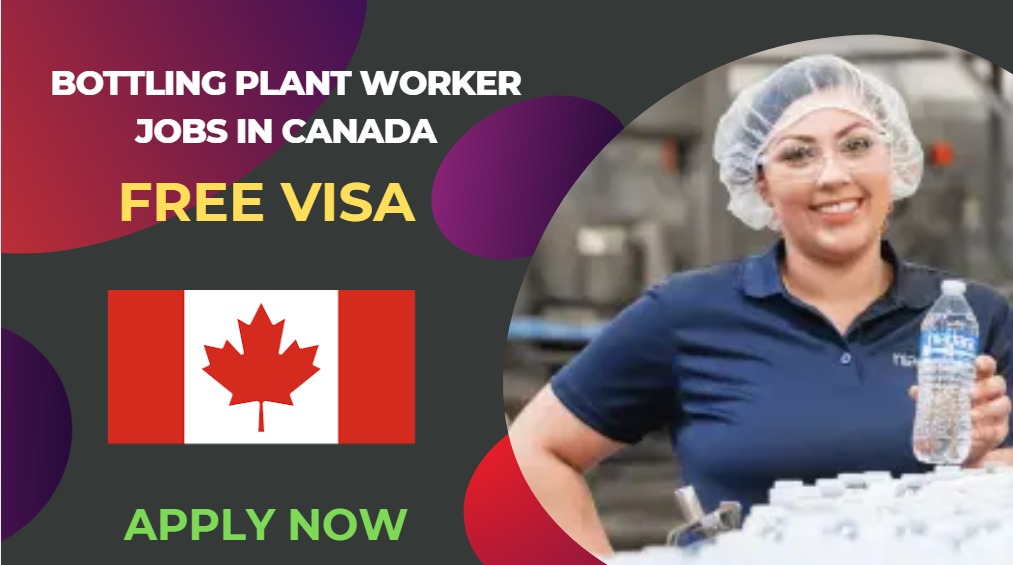
What Does a Bottling Line Worker Do?
Bottling plant workers are the backbone of the production floor. While specific duties vary depending on whether you are a Labourer (NOC 95106) or a Machine Operator (NOC 94140), daily tasks generally include:
Feeding the Line: Transporting raw materials (bottles, caps, labels) and feeding flattened boxes into forming machines.
Quality Control: Checking products for basic defects, ensuring labels are straight, caps are tight, and bottles are free of contaminants .
Machine Operation: Operating single-function or multi-function machinery to mix, carbonate, or fill bottles. Operators often monitor control panels and computer terminals .
Manual Packing: Removing filled containers from conveyors and manually packing finished goods into boxes or bags .
Sanitation: Cleaning machines and immediate work areas to adhere to strict food safety regulations .
Physical Demands: This is not a desk job. Most postings explicitly state that workers must be comfortable with standing for extended periods, bending, crouching, and lifting up to 50 lbs (23 kg) .
How Much Can You Earn? (2025-2026 Wages)
Pay rates for bottling workers vary significantly based on your province and specific experience (machine operators generally earn more than general labourers). Based on the latest government data from the end of 2025, here is a breakdown of hourly wages across Canada:
| Region / Province | Low ($/hr) | Median ($/hr) | High ($/hr) |
|---|---|---|---|
| Canada (National Average) | $16.50 | $20.00 | $25.67 |
| Saskatchewan | $15.35 | $25.00 | $37.00 |
| Manitoba | $16.00 | $18.00 | $21.90 |
| Ontario (Windsor Region) | Varies | $17.00 – $22.00 (Est.) | Varies |
Data sourced from Job Bank wage updates (November 2025) .
Real-World Example: A recent job posting for Ice River Springs (a major water bottler) in Quebec offered $20.60 to $20.85 per hour, while a water bottling plant in Nanton, Alberta advertised a position at $23.50 per hour with training provided .
The “Hidden” Benefit: Perks and Insurance
One of the strongest selling points for these roles is the benefits package. According to government statistics, over 80% of workers in this sector receive non-wage benefits .
Full-time permanent roles often include:
Health Plans: Dental, vision, and prescription drug coverage.
Financial Security: Life insurance and Registered Retirement Savings Plan (RRSP) matching .
Job Stability: Many roles are permanent, not seasonal, especially in non-alcoholic beverage plants.
How to Get Hired (No Experience? No Problem!)
One of the most attractive aspects of this career path is the low barrier to entry. Over 90% of job postings indicate that employers are willing to train the right candidate.
1. Education Requirements
Most roles require either no degree or a secondary (high) school graduation certificate . A diploma is an asset, but rarely mandatory.
2. Key Skills to Highlight
To stand out, emphasize these soft skills on your resume, even if you lack factory experience:
Reliability and Flexibility: Bottling plants often run early mornings, nights, and weekends .
Team Player: You will work closely with machine operators and supervisors.
Attention to Detail: Catching a defective bottle saves the company money.
3. Language Requirements
In most of Canada (outside Quebec), English is required. In Quebec (e.g., Lachute or Montreal), job postings frequently require French .
Opportunities for Foreign Workers
Canada has a high demand for bottling labour. Many employers utilize the Labour Market Impact Assessment (LMIA) process. If a job posting states “LMIA requested” or “LMIA in progress,” it means the employer has received permission to hire a temporary foreign worker because they could not find a Canadian citizen or permanent resident for the role .
If you are applying from abroad, look for the “LMIA” label on Job Bank. However, the government still encourages Canadian residents to apply for these roles first.
The “Green” Job Factor
An interesting trend in 2026 is the rise of Green Jobs in bottling. Companies like Ice River Springs label their positions as “Green Jobs” because they involve recycling, reducing water usage, and sustainable packaging practices . If environmental responsibility is important to you, look for this designation.
Conclusion
Bottling plant jobs in Canada offer a solid middle-ground for stable employment. You won’t need a university degree to earn a median of $20/hour with full health benefits. The work is physically demanding but straightforward, and there are hundreds of vacancies ready to be filled right now.
Ready to apply? Check the Government of Canada Job Bank, search “Bottling Line Worker,” and ensure you are ready to work a fast-paced, physical shift.
Disclaimer
This job information is shared for educational and informational purposes only. Any discussion of visa categories is based on general immigration laws and publicly available information.