
Meat Processing Jobs In UK: The United Kingdom’s meat processing industry is a cornerstone of the nation’s food security. From the lush farms of Wales to the industrial estates of Lincolnshire and Norfolk, this sector employs tens of thousands of people. Yet, it remains one of the most misunderstood and urgently hiring sectors in the British economy.
Advertisement
Whether you are a job seeker looking for stable work, an international applicant seeking visa sponsorship, or simply curious about where your Sunday roast comes from, here is everything you need to know about meat processing jobs in the UK.
Table of Contents
Meat Processing Jobs in UK
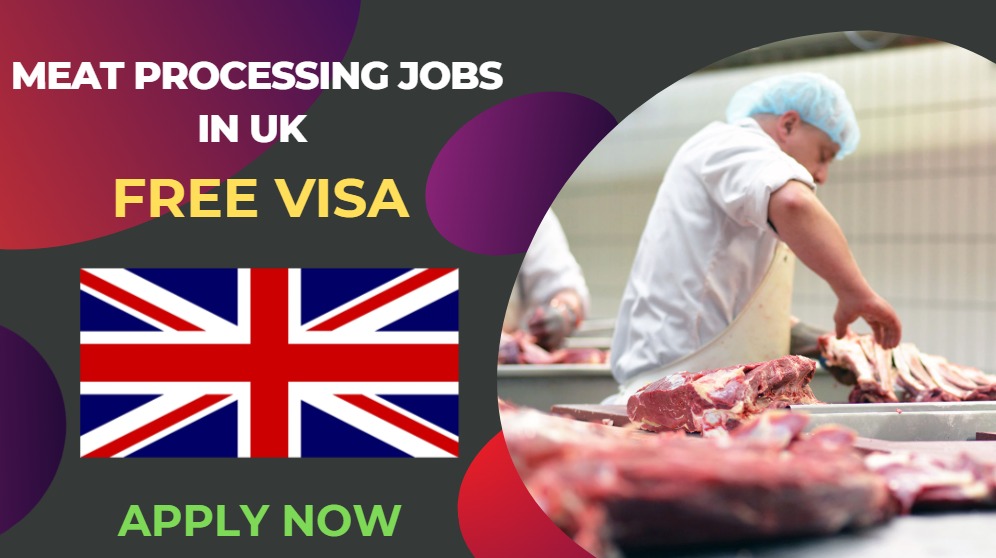
The Landscape of the Industry
The UK meat processing sector is vast. It includes red meat (beef, lamb, pork) and white meat (chicken, turkey, duck). Major processing hubs exist in East Anglia, the West Midlands, Yorkshire, and Northern Ireland.
Companies range from multinational giants (like ABP Food Group, Cranswick, and 2 Sisters Food Group) to hundreds of small, specialist butchers and abattoirs.
Common Job Roles
Contrary to popular belief, the industry requires more than just physical labour. Roles generally fall into three categories:
1. Production Line & Slaughterhouse (Entry Level)
Slaughterman / Stunner: Highly skilled and regulated role requiring a certificate of competence. Humane handling is critical.
Butcher / Boner: Deboning carcasses into primal cuts. This is a skilled trade, often paid by the piece (piecework).
Trimmer: Removing fat, sinew, and bone dust.
Packer / Weigher: Operating vacuum sealers, labelling products, and ensuring correct weights.
2. Hygiene & Maintenance
Knife Sharpener (Steelier): One of the most respected roles. Keeping blades razor-sharp prevents injury and waste.
Hygiene Operative: Deep cleaning machinery and floors. This is usually night shift work (due to production schedules) and involves heavy chemicals and high-pressure hoses.
3. Technical & Supervision
Quality Assurance (QA) Inspector: Checking for contamination, correct temperatures, and fat-to-meat ratios.
Line Supervisor: Managing throughput and health & safety compliance.
The Reality of the Work: Pros and Cons
Before applying, understand the daily reality.
The Pros:
Low barrier to entry: Many roles require no formal qualifications or English proficiency (though basic safety understanding is mandatory).
Stable hours: Unlike hospitality, shift patterns are consistent (e.g., 6am-2pm or 2pm-10pm).
Overtime: Factories run 24/5 or 24/6. Overtime (1.5x or 2x pay) is common, especially before Christmas.
Physical fitness: You won’t need a gym membership. You are on your feet, in cold rooms (2°C to 10°C), handling heavy loads.
The Cons:
Cold and wet environment: You will wear thermal PPE (Personal Protective Equipment) – coats, chainmail gloves, aprons.
Repetitive strain: Knife work and packing can lead to carpal tunnel or back issues.
Odour: It smells like raw meat and sanitizer. You get used to it, but your family will notice your work clothes.
Monotony: You may make the exact same cut 2,000 times per shift.
Salary Expectations (2025 Estimates)
Wages have risen significantly due to post-Brexit labour shortages.
Entry Level Packer/Trimmer: £10.50 – £12.50 per hour
Skilled Knife Hand / Boner: £13.00 – £18.00 per hour (plus piecework bonuses)
Night Shift Hygiene: £14.00 – £16.50 per hour
Supervisor / QA: £28,000 – £35,000 per annum
Note: Many factories pay weekly, which is attractive for workers needing immediate cash flow.
Visa Sponsorship: A Critical Note
This is the most important section for international readers.
Following Brexit, the UK meat industry lost a large portion of its EU workforce. Consequently, the UK government has included Butchers and Meat Processors on the Shortage Occupation List.
Skilled Worker Visa: You can get sponsorship for skilled roles (boning, slaughtering, butchery). However, basic “packing” roles rarely qualify.
Seasonal Worker Visa: For temporary poultry processing (e.g., turkeys for Christmas). This does NOT lead to settlement.
The Reality: While companies want to sponsor overseas workers, the administrative cost and minimum salary thresholds (£26,200 or the going rate for the job) mean most sponsorship currently goes to Nepali, Filipino, and Zimbabwean workers via approved agency contracts.
If you require sponsorship, search for “Tier 2 visa meat processing UK” – do not waste time applying to agencies that explicitly state “No sponsorship.”
How to Get Hired (Without Experience)
Get your Basic Food Hygiene Certificate (Level 2). You can do this online for £15. It proves you understand cross-contamination and temperature control.
Prepare for a fitness test. Most interviews include a lift test (carrying 15-25kg) and a hand dexterity test (using pliers or a mock knife).
Apply directly to processors. Avoid generic temp agencies if you want permanent benefits (pension, sick pay). Look at the careers pages of Kepak, Dawn Meats, Pilgrim’s Pride, or Moy Park.
Accept the trial shift. You will likely do a 4-hour paid trial. Show up with steel-toe boots (if you have them) and a positive attitude. Knife skills can be taught; reliability cannot.
The Future of the Job
Automation is coming (robotic deboners and packers), but the human hand is still superior for fat-to-meat ratio judgement and complex cuts. However, the unskilled packing line is shrinking.
Your best career move: Learn to use a knife. A skilled boner in the UK is currently earning more than a retail store manager. Ask your employer to enroll you in an NVQ Diploma in Meat Processing (Level 2 or 3).
Final Verdict
Meat processing in the UK is hard, cold, and smelly work. It is not glamorous. But for a reliable worker, it offers consistent 40+ hour weeks, clear targets, and a payslip that rarely bounces. For migrants with the right papers, it remains one of the few doors into the UK labour market.
Disclaimer
This job information is shared for educational and informational purposes only. Any discussion of visa categories is based on general immigration laws and publicly available information.