Metal Fabrication Assistant Jobs in Canada: The hum of machinery, the spark of a grinder, and the smell of fresh cut steel are the signatures of Canada’s manufacturing sector. While much of the public eye focuses on high-tech automation, the industry runs on a backbone of skilled labor. At the entry point of this career ladder is the Metal Fabrication Assistant (also known as a Production Helper or Shop Assistant). These roles are the “DNA of the trades,” offering a foot in the door for those seeking stable, hands-on careers across the country.
If you enjoy physical work, want to avoid a desk, and are looking for a job with clear pathways to higher pay, here is everything you need to know about becoming a Metal Fabrication Assistant in Canada.
Table of Contents
Metal Fabrication Assistant Jobs in Canada
What Does a Metal Fabrication Assistant Do?
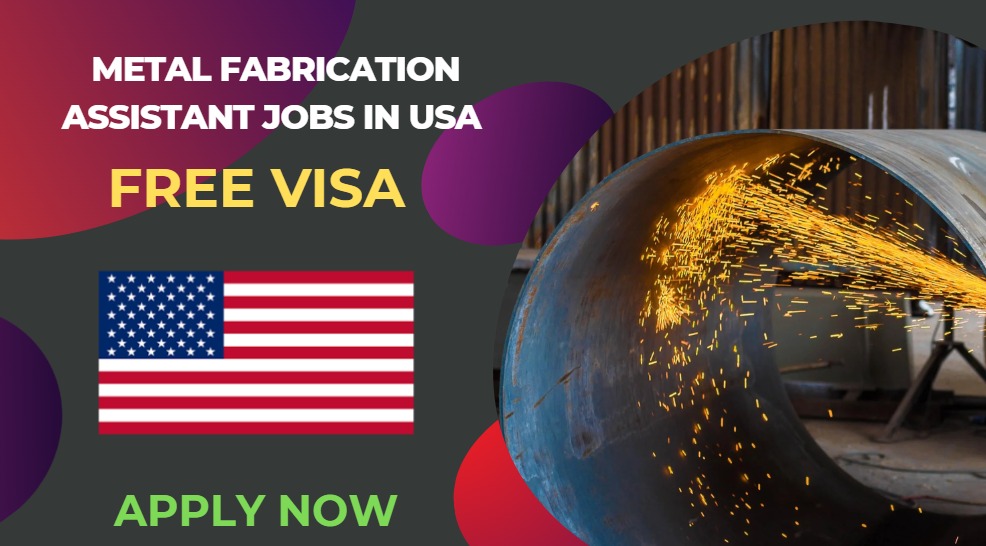
This is not a desk job. It is a dynamic role supporting welders, fitters, and machinists. Your primary goal is to keep the production line moving safely and efficiently. Based on current job postings in British Columbia and Ontario, daily tasks typically include :
Material Preparation: Loading raw metal onto cutting tables, using torches or saws to cut stock to size, and moving heavy materials via dolly or overhead crane.
Surface Finishing: Using hand tools (grinders, buffers, scrapers) to remove rust, slag, or sharp edges from metal surfaces before welding or painting.
Shop Maintenance: Performing daily cleaning of work areas, managing scrap disposal, and conducting basic preventative maintenance on equipment.
Quality Assistance: Helping with “first article inspections” (checking the first piece off the line to ensure it matches the blueprint) and reporting defects to supervisors.
Assembly Support: Assisting in tacking parts together or assembling components with bolts, rivets, and hand tools.
The Career Ladder: The industry standard is that you don’t stay an assistant forever. These roles are designed to lead into apprenticeships or higher-paying positions. For example, a posting by Bullet Trade Services in Guelph explicitly offers “Paid development opportunities such as CWB tickets for SMAW/FCAW and GMAW” (welding certifications) to their assistants . Similarly, Metalcraft Technology in Coquitlam markets the role as an entry point for career advancement within a “growth-focused work environment” .
Salary Expectations: What Can You Earn?
Wages for assistants vary significantly based on location and the complexity of the shop. Because this is an entry-level role, pay tends to start near provincial minimum wage but rises quickly with experience.
Here is a snapshot of current advertised wages across Canada:
| Location | Company | Hourly Wage / Salary | Additional Benefits |
|---|---|---|---|
| Coquitlam, BC | Metalcraft Technology | $18.00 – $19.00 | Dental, Extended Health, Paid Lunch |
| Winnipeg, MB | Randstad (Contract) | $18.00 – $22.00 | Health/Dental (50/50 split) |
| Toronto, ON | Northern Transformer | ~$30.00 (High-End) | Permanent Full-Time |
| Guelph, ON | Bullet Trade Services | Not Disclosed | RRSP Matching, Vision, Dental |
| Provincial Avg (QC) | ERI Economic Institute | ~$17.00 (Average) | Annual bonus potential |
Note on High Wages: The Toronto posting for $30/hour is at the high end of the spectrum for an assistant role, likely reflecting unionized environments or the requirement for heavy industrial manufacturing skills. Most entry-level helpers can expect to start between $17 and $22 per hour.
How to Get Hired (Without Experience)
One of the most attractive features of this job is that the barriers to entry are low. Many employers value attitude and work ethic over specific credentials.
Education & Experience:
Most postings require only a High School Diploma . For example, Northern Transformer explicitly states “No experience required; training provided” . However, having any experience with construction, general labor, or even working on a farm is considered a major asset.
Essential Certifications (The “Must-Haves”):
You generally do not need a trade license to start, but you must show up prepared. The most universal requirement is steel-toed safety boots with a green patch (CSA approved). You will likely also need safety glasses and gloves (often provided by the employer) .
Valuable Assets (Good to Have):
If you want to jump the queue, get these tickets:
Forklift License: Many shops (like Northern Transformer) list this as a top asset .
Overhead Crane Certification: Standard in heavy fabrication shops.
WHMIS 2015: Online courses are cheap and show you understand chemical safety.
Physical and Soft Skills Requirements
You don’t necessarily need to be a bodybuilder, but you do need grit. Most job listings require the ability to lift between 50 lbs (22 KG) and 60 lbs . The job involves standing for 8-hour shifts, bending, stooping, and kneeling.
However, soft skills are often the deciding factor. Managers are looking for candidates who are:
Reliable: Showing up on time every day.
Safety Conscious: Rushing causes accidents; a “zero harm” mindset is crucial .
Detail-Oriented: You will be reading blueprints and filing quality reports .
A Team Player: You are assisting a lead hand; ego has no place on the shop floor.
Where to Find These Jobs in Canada
While metal fabrication exists everywhere, the market is hottest in industrial hubs. Current active hiring is happening in:
British Columbia (Lower Mainland): Coquitlam and Vancouver have numerous sheet metal and custom fab shops .
Ontario (GTA & Guelph): Toronto and the surrounding areas are a major hub for transformer manufacturing and industrial contracting .
Prairie Provinces (MB & SK): Winnipeg and Saskatoon offer stable opportunities in general assembly and agricultural manufacturing .
Pro Tip: Use the National Occupational Classification (NOC) code 95101 (Labourers in metal fabrication) when searching on the Government of Canada Job Bank. This will yield the most accurate results for these helper positions .
Conclusion
A Metal Fabrication Assistant job is more than just “lifting heavy things.” It is a paid apprenticeship into the trades. You are getting paid to learn how to read blueprints, operate heavy machinery, and understand metallurgy.
For newcomers to Canada, recent immigrants, or young workers looking to skip university debt, this sector offers a clear path: start as a helper, learn on the job, earn your welding tickets, and eventually move into a Red Seal trade. If you are ready to work hard and keep your hands busy, the Canadian metal industry is ready for you.
This job information is shared for educational and informational purposes only. Any discussion of visa categories is based on general immigration laws and publicly available information.





Written and maintained by
Elga Host
Editor and administrator of Smart Gyan Share. Responsible for publishing and maintaining practical guides covering jobs, visas, technology, SEO, blogging and related topics. We aim to present useful information clearly, review published material regularly, and correct factual or outdated information when issues are identified.
View author profileJob, visa, salary, deadline and eligibility details can change. Check the employer or relevant government/official source before applying, paying money or making travel arrangements.
If you spot an outdated or inaccurate detail, please contact us with the article URL.