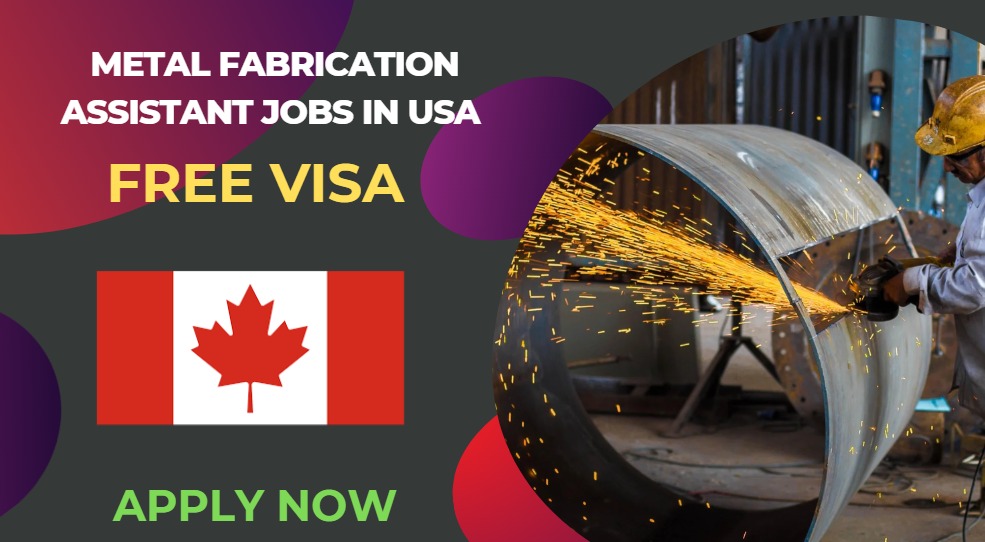
US manufacturing plants face a persistent shortage of production-floor staff, and metal fabrication assistant roles are regularly filled through legal H-2B temporary work visas.
Table of Contents
What the Job Involves
- Cutting, measuring, preparing metal stock
- Assisting welders and machine operators
- Operating grinders, drills, presses under supervision
Visa Route: H-2B Visa
- Employer obtains DOL labor certification
- Employer files Form I-129
- Worker attends consular interview for the visa stamp
Typical Salary
Between USD 16 and USD 22 per hour, per DOL prevailing wage data.
Documents Needed
- Valid passport
- Approved I-797 notice
- DS-160 form
Step-by-Step Process
- Apply to DOL-certified employers
- Receive conditional offer
- Employer files I-129
- Attend visa interview
- Travel to the US
Work Conditions in US Plants
Metal fabrication assistant shifts are usually 8-10 hours on a factory floor, with rotating or fixed shift patterns depending on the plant. Expect noise, PPE (safety glasses, gloves, hearing protection), and physically repetitive tasks. Many H-2B roles are seasonal, tied to a specific production period stated on the job order.
Tips to Strengthen Your Application
- Basic measuring/reading-a-tape-measure skills are worth mentioning explicitly
- Any prior factory or workshop experience, even unrelated to metal, helps
- Apply early — H-2B petitions are capped and fill up per season
FAQ
Is the visa capped? Yes, Congress sets an annual H-2B cap across two hiring seasons.
Confirm current details via USCIS.





Job, visa, salary, deadline and eligibility details can change. Check the employer or relevant government/official source before applying, paying money or making travel arrangements.
If you spot an outdated or inaccurate detail, please contact us with the article URL.