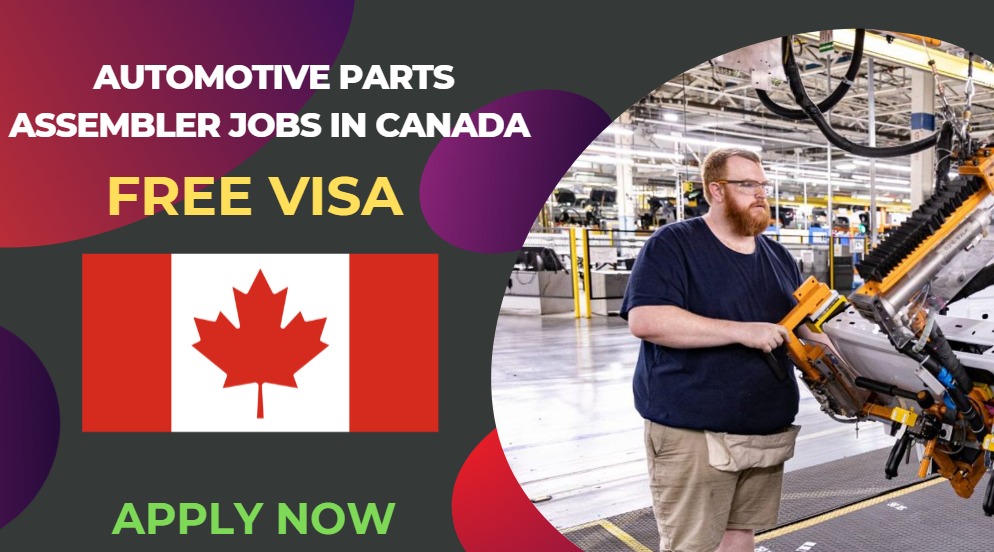
Canada’s automotive parts manufacturing sector, concentrated heavily in Ontario, continues to face staffing gaps on assembly lines supplying major vehicle manufacturers. Assembler roles are entry-level and offer structured, on-the-job training rather than requiring prior automotive experience.
Table of Contents
What the Job Involves
- Assembling automotive components according to standardized work instructions
- Using hand tools and small power tools to fasten and fit parts
- Conducting basic visual quality checks before parts move down the line
- Following lean manufacturing and workplace safety procedures
Visa Route: Temporary Foreign Worker Program (TFWP)
As with other manufacturing roles, automotive parts assembler positions filled by overseas workers go through Canada’s employer-driven TFWP process:
- The employer obtains a positive Labour Market Impact Assessment (LMIA) confirming a genuine staffing shortage.
- The employer issues a job offer, and the worker applies for a work permit through IRCC using the LMIA number.
- The application is submitted either from the home country or, in limited cases, at a Canadian port of entry, depending on nationality.
- Work permits are tied to the specific employer named in the LMIA.
Typical Salary
Automotive parts assemblers in Canada typically earn between CAD 18 and CAD 24 per hour, with Ontario plants generally paying at the higher end given the concentration of major automotive manufacturers in the province.
Documents Needed
- Valid passport with at least 6 months validity
- Signed job offer letter and LMIA number from the employer
- Proof of any relevant manufacturing experience, if requested
- Police clearance certificate
- Proof of funds to support initial settlement, where required by the province
Step-by-Step Application Process
- Search for LMIA-approved automotive manufacturing job postings via Canada’s Job Bank or licensed recruitment agencies.
- Apply directly to the employer; interviews are often conducted by video call.
- Receive a job offer once the employer’s LMIA is approved.
- Submit your work permit application online through IRCC, including biometrics if required.
- Attend a visa interview at a Canadian visa application centre, if requested.
- Receive your work permit and arrange travel to Canada.
Frequently Asked Questions
Do I need prior assembly line experience?
Most entry-level assembler roles provide structured training; prior manufacturing or factory experience is an advantage but not always mandatory.
Is this position permanent or temporary?
Work permits under TFWP are temporary and tied to the LMIA validity period, though renewals are possible if the employer’s labour need continues.
Can this lead to permanent residency?
Time worked under a valid Canadian work permit can count toward eligibility for certain permanent residency programs, subject to meeting all requirements at that time.
Confirm current requirements via the official IRCC website before applying or paying any recruitment fees.





Job, visa, salary, deadline and eligibility details can change. Check the employer or relevant government/official source before applying, paying money or making travel arrangements.
If you spot an outdated or inaccurate detail, please contact us with the article URL.