General Production Worker Jobs in Canada: Canada’s manufacturing sector is a cornerstone of the national economy, contributing over $174 billion annually and employing more than 1.7 million people. At the heart of this industry are General Production Workers — the essential frontline staff who keep assembly lines moving, machines running, and products flowing from factories to consumers.
Advertisement
If you are looking for stable, entry-level work with opportunities for growth, a general production job in Canada could be your ideal starting point. This article covers everything you need to know, from daily duties and salaries to how foreign workers can enter the field.
Table of Contents
General Production Worker Jobs in Canada

What Does a General Production Worker Do?
General production workers (NOC 95102 – Labourers in food, beverage, and associated products processing, and related roles in NOC 94100–95200) perform a variety of manual and machine-assisted tasks. Typical responsibilities include:
Feeding raw materials into processing or packaging machinery
Inspecting products for defects, quality control, and consistency
Assembling components on a production line
Packaging finished goods into boxes, bags, or containers
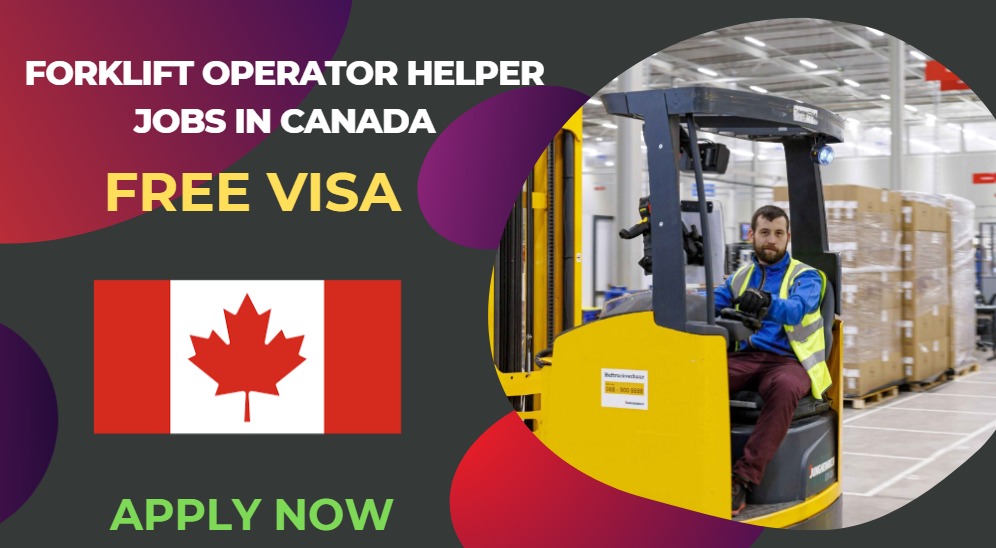
Operating forklifts or pallet jacks (training provided on-site)
Cleaning work areas and sanitizing equipment
Labeling products and preparing them for shipping
Work environments range from food processing plants (meat, dairy, bakery) and automotive assembly lines to plastics, electronics, and pharmaceutical manufacturing.
Who Is This Job For?
These positions are ideal for:
New immigrants seeking entry-level Canadian work experience
Students and recent graduates looking for full-time or shift work
Individuals without post-secondary education who are reliable and hardworking
Temporary foreign workers sponsored through programs like the TFWP (Temporary Foreign Worker Program)
No advanced degree is required, but employers value physical stamina, attention to detail, punctuality, and basic English or French communication skills.
Average Salary and Benefits
Wages vary by province, industry, and experience. As of 2025–2026, typical rates are:
| Province | Average Hourly Wage | Annual Salary (Full-time, 40h/week) |
|---|---|---|
| Alberta | 18.50–22.00 | 38,500–45,760 |
| Ontario | 17.00–20.50 | 35,360–42,640 |
| British Columbia | 17.40–21.00 | 36,200–43,680 |
| Quebec | 16.50–19.50 | 34,320–40,560 |
Minimum wage in each province serves as the legal floor, but most production jobs start above minimum due to physical demands and shift premiums. Overtime (after 44 hours/week) is paid at 1.5x the regular rate.
Many employers offer:
Extended health and dental benefits
Paid breaks and safety shoe/glove allowances
RRSP matching and performance bonuses
Shift premiums (night shifts often add 2–4/hour)
Top Industries Hiring Now
Food and Beverage Manufacturing – Meat packing, bakeries, dairy, beverage bottling.
Automotive Parts Assembly – Concentrated in Ontario (Windsor, Toronto, London).
Plastics and Rubber Products – Injection molding facilities in Quebec, Ontario, and BC.
Wood Products and Furniture – Sawmills in BC and Alberta; cabinet shops across Canada.
Pharmaceuticals and Medical Devices – Growing sector requiring cleanroom production staff.
How to Find General Production Worker Jobs
Job banks: Job Bank (government of Canada), Indeed, Workopolis, LinkedIn
Agencies: Aerotek, Randstad, Adecco, Manpower – many placements are temp-to-perm
Direct applications: Maple Leaf Foods, Cargill, Linamar, Magna, Sofina Foods, P&G
Walk‑ins and open houses: Many plants post “hiring days” on Kijiji or Facebook Marketplace
Resume tip: Emphasize reliability, physical fitness, shift flexibility, and any experience with hand tools, machines, or quality checks – even from non-industrial jobs.
Do You Need Certification?
Most general production jobs provide on‑the‑job training. However, these certificates can give you an edge:
WHMIS (Workplace Hazardous Materials Information System) – free online course
First Aid & CPR
Forklift operator license – costs $150–300, often paid for by employer later
Food safety (HACCP) – for food processing roles
No language test (IELTS/TOEFL) is required for entry-level roles unless you need a work visa, but basic English at CLB 4–5 is expected.
Can Foreign Workers Get These Jobs?
Yes. Many Canadian manufacturers face labour shortages, especially in rural or remote areas. Two main immigration pathways exist:
1. Temporary Foreign Worker Program (TFWP) – Low‑Wage Stream
Employer applies for a Labour Market Impact Assessment (LMIA) proving no Canadian is available.
Workers get a closed work permit tied to that employer.
Housing and transportation often arranged by the employer.
2. Atlantic Immigration Program (AIP) or Rural and Northern Immigration Pilot (RNIP)
Production jobs in smaller communities like Moncton (NB), Brandon (MB), or Moose Jaw (SK) can lead to permanent residence without an LMIA in some cases.
3. Provincial Nominee Program (PNP) – Entry‑Level Streams
Some provinces nominate semi‑skilled production workers (NOC C/D) through streams like Alberta Opportunity Stream or Saskatchewan Experience Pathway.
Important: Do not pay recruiters upfront. Legitimate Canadian employers cover recruitment and LMIA costs. Use the government’s “Find out if employer is approved” tool to avoid scams.
Pros and Cons of the Job
| Pros | Cons |
|---|---|
| Low barrier to entry – no degree needed | Physically demanding (standing, lifting, repetitive motion) |
| Immediate work available in most cities | Shift work – nights, weekends, 12‑hour shifts common |
| Opportunities for overtime pay | Limited room for career growth without further training |
| Path to permanent residence for foreigners | Cold, noisy, or chemically exposed environments |
| Benefits and job security in unionized plants | Some plants have high turnover and minimal training |
How to Advance from General Production
Starting as a general labourer can lead to higher‑skilled roles:
Machine operator – $22–28/hour after internal training
Quality control inspector – requires attention to detail and company exams
Team lead or line supervisor – after 1–2 years and leadership courses
Forklift or heavy equipment operator – with certification
Maintenance technician – requires electrician or millwright apprenticeship
Many manufacturers partner with community colleges to offer paid apprenticeships while you work.
Final Verdict: Is It Worth It?
For job seekers who value immediate pay, physical work, and stability, general production work is an excellent option. It is particularly valuable for newcomers to Canada who need “Canadian experience” and a paycheck while learning the language and culture.
While the job is not glamorous and can be repetitive, the demand for production workers is persistent — Canada’s manufacturing sector added over 80,000 jobs in 2024 alone, and shortages are expected to continue through 2028.
If you are reliable, safety‑conscious, and willing to work with your hands, you can build a solid career starting from the production floor.
Ready to apply?
Update your resume, search “general production worker Canada” on Indeed or Job Bank, and prepare for a phone interview. For foreign workers, contact a licensed immigration consultant to explore TFWP options with real Canadian employers.